Open Mon-Fri 9am-5pm
1114 Bass Hwy, The Gurdies VIC 3984
Phone +61 (03) 5672 5196
Email info@ecoliv.com.au
Open Mon-Fri 9am-5pm
1114 Bass Hwy, The Gurdies VIC 3984
Phone +61 (03) 5672 5196
Email info@ecoliv.com.au


# energyefficiency #Sustainabledesign #Smartdesign #Passivehouse
14 May 2026
Right now, Australian households are feeling it.
The weekly grocery shop is higher than it was last year. Energy bills are unpredictable. Rent and mortgage repayments continue to climb. And while incomes have shifted, they haven’t kept pace with the rising cost of living.
For many families, the question is no longer “what do we want in a home?” — it’s “what can we afford to live in long-term?”
At Ecoliv, we believe your home shouldn’t just shelter you. It should support you, reduce running costs, and actively give back over time.
This is where smart design changes everything.
Let’s ground this in reality.
And importantly — energy is one of the few area’s homeowners can actually control.
The design of your home directly impacts:
Which means…
Design is no longer just aesthetic. It’s financial.
Most Australian homes were never designed with long-term efficiency in mind. Instead, they were built to prioritise minimum compliance standards, and lower upfront construction costs — not the ongoing cost of living in them.
As a result, many homes struggle to maintain comfortable indoor temperatures throughout the year. A five-state Australian study reported by the ABC found that 81 out of 100 monitored homes — more than four in five — averaged below the WHO’s 18°C winter warmth benchmark, with average indoor winter temperatures of just 16.5°C*. Many Australian homes rely heavily on mechanical heating and cooling systems just to remain liveable and struggle to maintain safe and comfortable indoor temperatures during winter. They overheat during summer and lose valuable warmth in winter.
This constant dependence on air conditioning and heating drives up energy consumption and creates ongoing utility bills that rarely stabilise. While the initial build cost may appear lower, the long-term financial impact continues to grow over decades, costing homeowners far more in comfort, energy, and performance over the life of the home.
Now imagine a home that:
✔ Stays warm in winter without constant heating
✔ Stays cool in summer without blasting air conditioning
✔ Uses energy intelligently
✔ Produces most (or all) of its own power
That’s not a luxury anymore. It’s simply smart design.
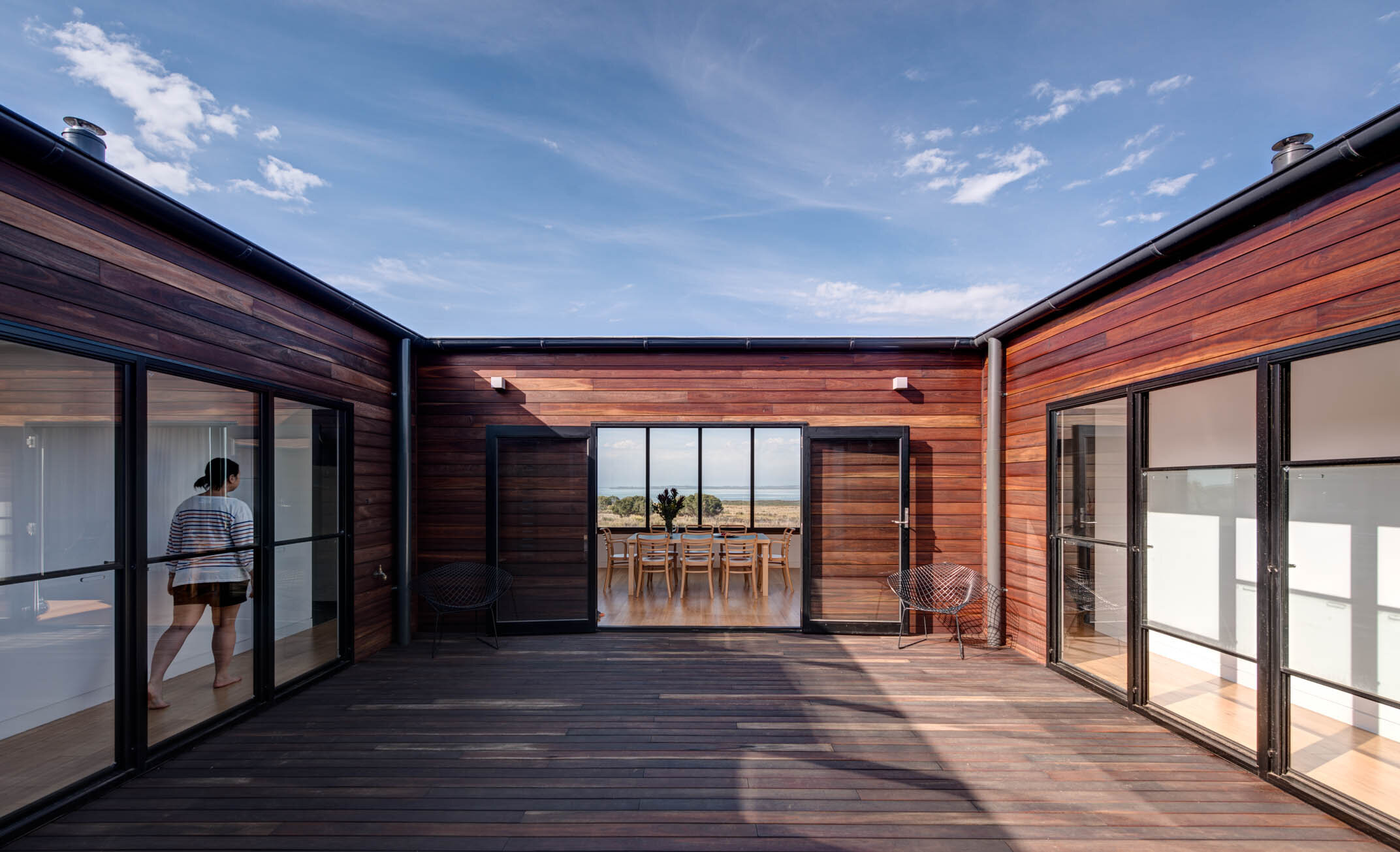
Set amidst 120 acres of secluded bushland beside the Mowamba River in the Snowy Mountains, this off-grid Jindabyne Project combines warm modern design with subtle alpine influences.
Designed to settle into the landscape, the home captures stunning southern views, creates a sheltered northern courtyard, and uses carefully placed windows for natural light, passive solar comfort and year-round livability. Powered by solar, rainwater harvesting and an on-site wastewater system, it proves sustainable, autonomous living can still be comfortable, resilient and beautifully designed.
The data is clear.
Over 10–20 years, that’s not a small win. That’s tens of thousands of dollars back in your pocket.
At Ecoliv, we design homes that are:
1. Passive Solar Designed
We orient your home to the sun, optimise window placement, and use thermal mass to naturally regulate temperature. Read more here
Result: Less reliance on heating and cooling.
2. Passive House Principals - Built for Performance
High-quality insulation, airtight construction, and double glazing aren’t upgrades — they’re fundamentals.
Result: Consistent comfort, lower energy demand.
3. Electrified & Future-Ready
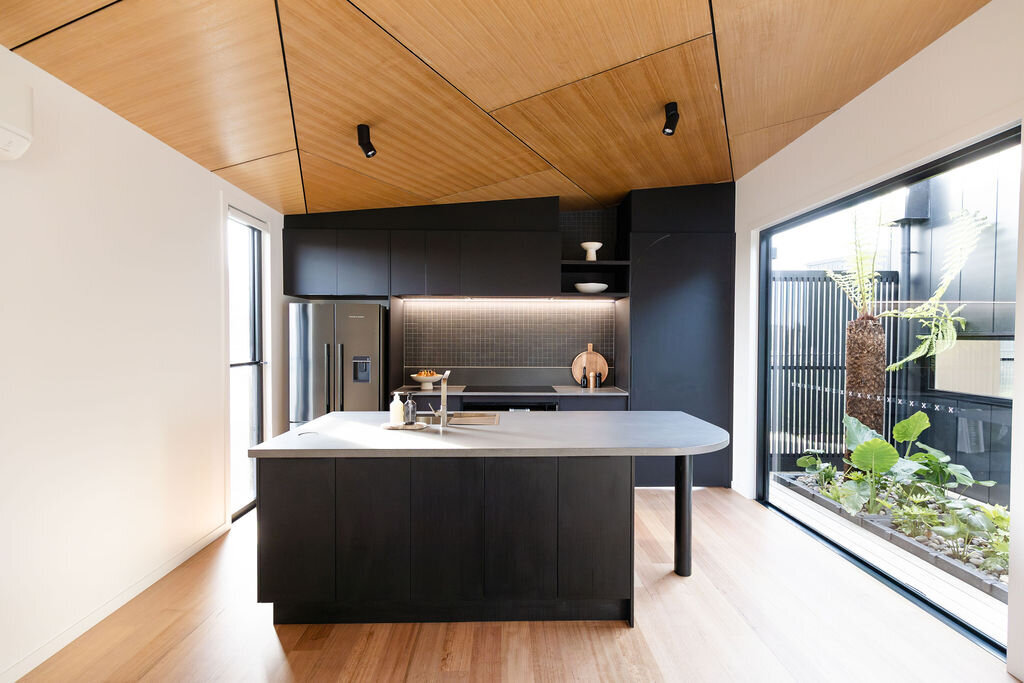
Efficient systems like heat pump hot water, induction cooking, and solar integration reduce reliance on expensive energy sources.
Result: Lower bills today, resilience tomorrow.
4. Designed Around You
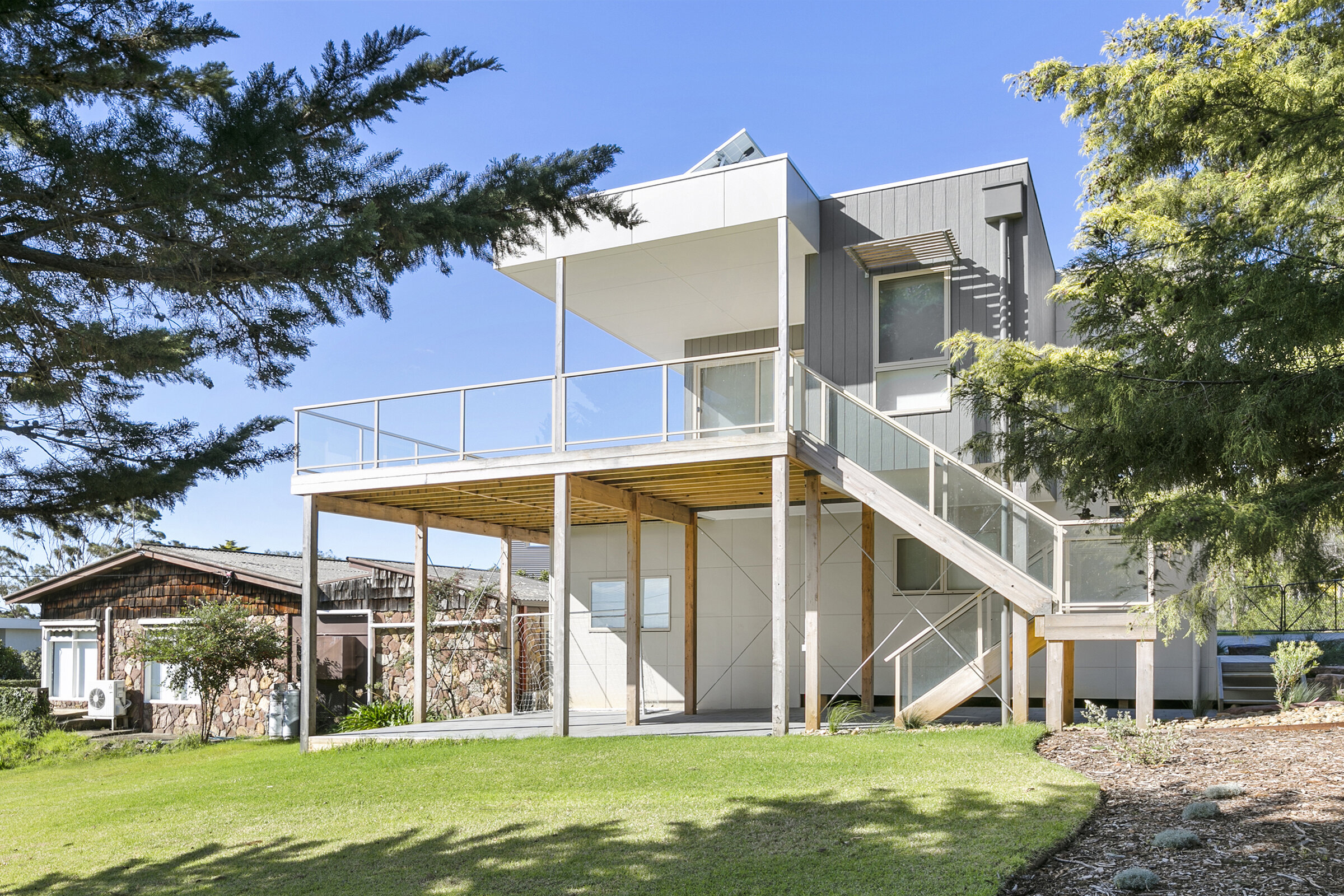
We design with your lifestyle, your land, and your long-term goals. From Metropolitan to secluded remote locations, we design with your lifestyle, your land, and your long terms goals.
Result: A home that works harder for your specific needs.
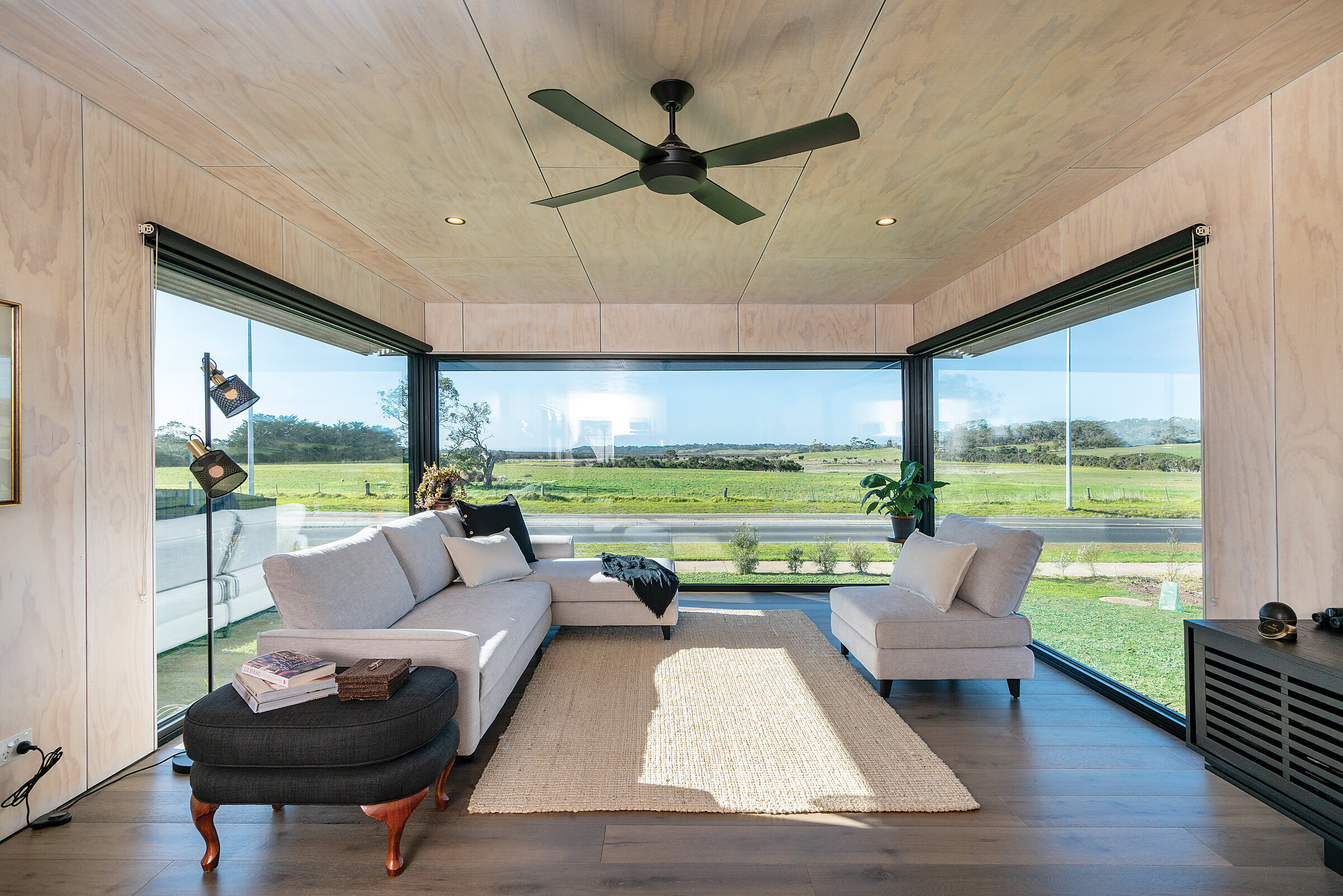
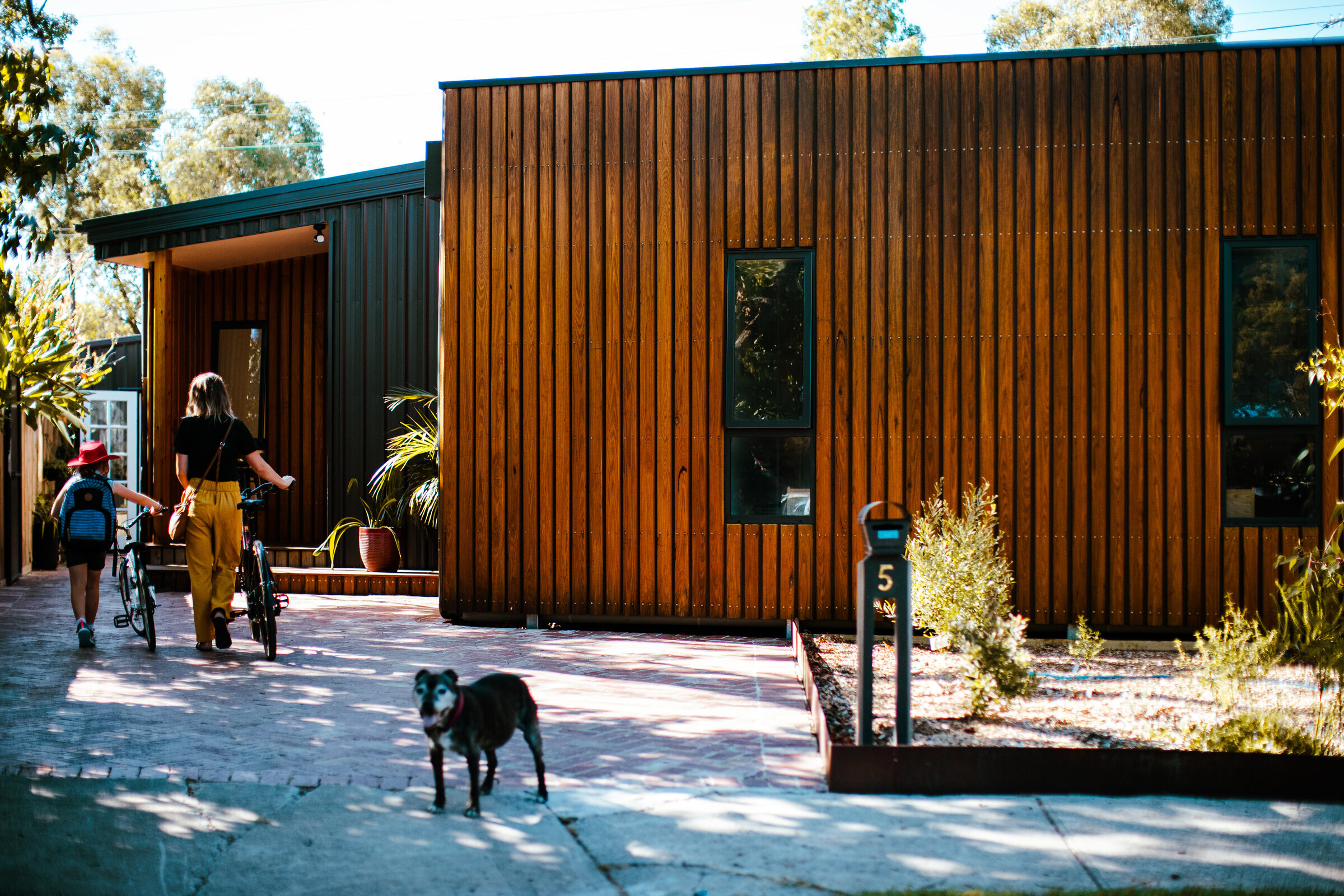
When you step back, something powerful becomes clear:
Most people focus on the cost to build. Very few consider the cost to live.
But over time, the cost to live is often far greater.
A cheaper build that costs more to run…isn’t cheaper at all.
At Ecoliv, we believe:
Because when your home is designed properly, it doesn’t just sit there.
✔ It performs.
✔ It supports.
✔ It pays you back.
In a world where everything is getting more expensive, your home is one of the few things you can control.
And when it’s designed well, it becomes more than a place to live. It becomes part of your financial strategy.
What if the home you build could do more than reduce harm and actively give back?
At Ecoliv, we believe the future of housing must move beyond sustainability and towards regenerative design.
Creating the best sustainable modular homes in Australia is no longer just about reducing impact. It’s about designing homes that contribute positively to their environment — supporting healthier ecosystems, stronger communities and better ways of living.
So, what does it mean to be regenerative by design?
It means designing with the landscape, not against it.
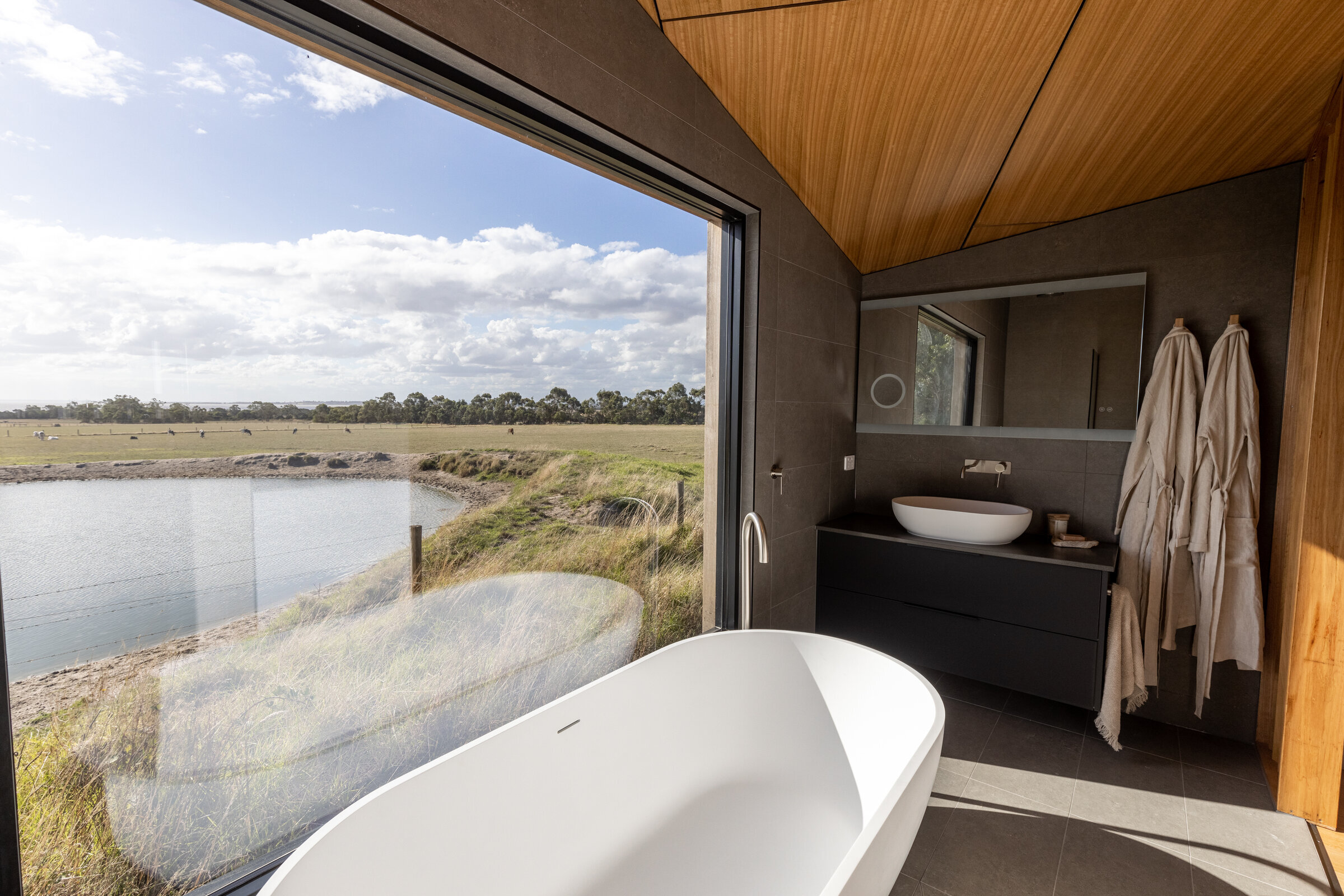
Through passive solar design, Passive House principles, low-carbon and circular materials, and carefully considered site integration, every Ecoliv home is created to respond to its place, climate and future use.
We see a home as part of a broader living system.
✔ Designed for the Australian climate
✔ Built with energy-efficient systems
✔ Minimising site impact through modular construction
✔ Strengthening connection to place and nature
✔ Created for long-term comfort, resilience and adaptability
This goes beyond energy efficiency.
It’s about creating healthy, sustainable homes that feel grounded, restorative and aligned with the natural world — while supporting better long-term environmental and social outcomes.
Because building your next chapter shouldn’t come at the expense of the next generation.
Build only what you need. Build it well. Build it to last a lifetime.
Let’s design a home that works for you — and keeps working for decades to come.
Sources
Daniel Keane, “Homes across Australia fall short of winter warmth benchmark, five-state study finds,” ABC News, 18 May 2023.
Australian Government, Department of Climate Change, Energy, the Environment and Water, Australia hits rooftop solar milestone, energy.gov.au.
Australian Council of Social Service, Efficiency, electrification, and solar could save low-income households up to $6000, 2 May 2024.
Institute for Energy Economics and Financial Analysis, Homes, not power plants, are key to slashing energy costs, July 2025.
Climate Council, Power Games: Who’s driving high power bills?, 2026.
Open Mon-Fri 9am-5pm
1114 Bass Hwy, The Gurdies VIC 3984
Phone +61 (03) 5672 5196
Email info@ecoliv.com.au


